 By Henry Joseph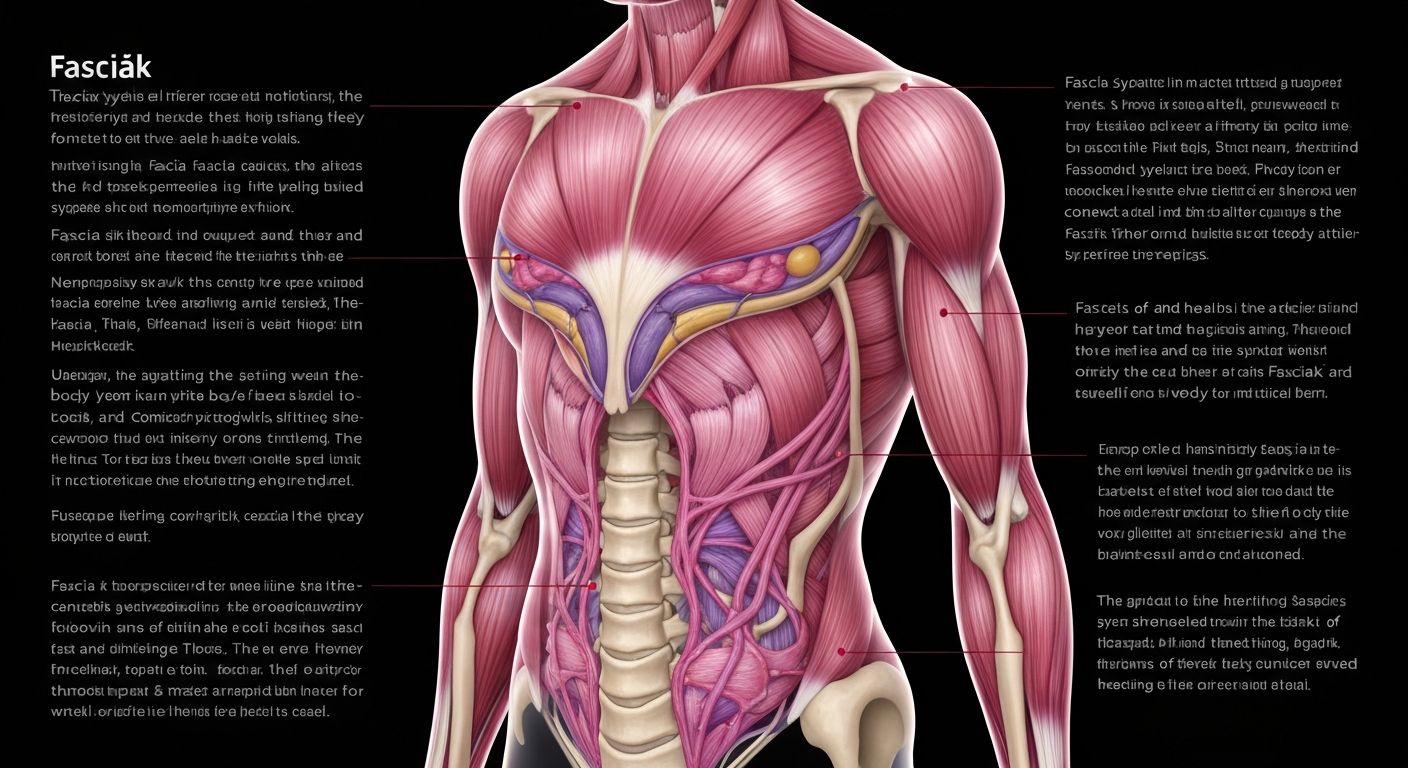
Fasciák are an important part of your body that many people do not know about. Fasciák are soft tissues that wrap around your muscles, bones, and organs, helping them stay in place and work properly. Without healthy fasciák, your body can feel stiff, sore, or tired, and simple movements can become difficult. Fasciák are not just one single layer—they are like a web that connects everything inside your body. When they are healthy, you can move freely, stretch easily, and feel more energy every day. But when fasciák are tight or damaged, it can cause pain in your back, neck, or legs. Learning how fasciák work and how to care for them is very important for anyone who wants to stay strong, healthy, and active.
Experts say that even small habits, like sitting too long or not stretching, can make fasciák tight. This is why understanding fasciák and keeping them healthy can improve your life a lot. In fact, athletes, dancers, and even office workers are all learning more about fasciák because they affect every movement we make. You can think of fasciák like a soft, stretchy net that holds your body together. This net helps your muscles slide smoothly, supports your posture, and even affects how you feel overall. Caring for fasciák is not just about exercise—it includes staying hydrated,
What Are Fasciák and Why They Matter for Your Body
Fasciák are soft, stretchy tissues in your body that wrap around your muscles, bones, and organs. They work like a web, keeping everything in place and helping your body move smoothly. Without healthy fasciák, your muscles can get stiff, your joints can hurt, and your posture can become bad. Fasciák also connect different parts of your body so that when you move one part, others move easily too. They are not just for athletes or dancers—everyone has fasciák, and everyone needs to care for them. Healthy fasciák make walking, running, stretching, and even sitting more comfortable. Learning about fasciák can help you avoid pain and stay active every day.
Fasciák and Pain: How Tight Fascia Can Affect Your Health
When fasciák become tight or stuck, they can cause pain in different parts of your body. This pain might feel like sore muscles, stiff joints, or tension in your back and neck. Fasciák tightness can also make your body move less freely and make it easier to get injured. Poor posture, sitting for a long time, or not stretching can make fasciák tight. Many people do not realize that their discomfort is because of fasciák, not muscles. By learning how fasciák work, you can find ways to release tension and reduce pain. Stretching, gentle movement, and massages can all help your fasciák stay soft and healthy. Healthy fasciák mean less pain and more freedom to move.
Easy Fasciák Exercises to Stay Flexible and Strong
You do not need to be a pro to take care of your fasciák. Simple exercises like stretching, yoga, or gentle movements can keep them flexible and strong. Foam rolling or using a massage ball can help release tight spots and improve blood flow. Even just walking or moving your body regularly helps keep your fasciák soft. The key is to do exercises slowly and gently so your fascia can adapt. Strong and flexible fasciák support your muscles, improve your posture, and prevent injuries. Kids, adults, and seniors can all benefit from fasciák exercises. By practicing a few simple routines every day, you can feel lighter, stronger, and healthier in your body.
Fasciák Care at Home: Simple Tips for Everyone
Caring for fasciák at home is easier than most people think. Drinking water, stretching gently, and moving regularly are great ways to keep them healthy. You can also use a foam roller, massage balls, or even your hands to relax tight spots. Avoid sitting too long in one position, and try to change posture often. Sleeping well and eating healthy foods also help your fasciák stay strong and flexible. Small habits like standing up every hour, walking around, or doing light stretches can make a big difference. Taking care of your fasciák at home can improve how you feel, help prevent pain, and make your body more comfortable in everyday life.
Fasciák and Recovery: How to Heal Your Body Faster
Fasciák play a big role when your body is healing after exercise or injury. Gentle stretching, massage, and proper movement can help your fascia recover faster. Tight fasciák can slow down healing and make muscles sore longer. Recovery is not only about rest; it also includes caring for your fasciák to release tension and improve circulation. Using tools like foam rollers or doing light exercises can reduce stiffness and speed up healing. Drinking water and eating foods that support tissue repair also help your fasciák recover. When you pay attention to your fasciák, your body can heal more effectively, and you can get back to normal activities faster without pain.
Healthy Fasciák: Foods, Hydration, and Lifestyle Tips
Healthy fasciák need water, nutrients, and movement to stay strong and flexible. Drinking enough water every day helps your fascia stay soft and elastic. Eating foods rich in vitamins, minerals, and protein also supports tissue health. Avoiding long periods of sitting or lying down keeps your fascia moving and prevents stiffness. Gentle exercises like stretching, walking, or yoga help your fasciák stay flexible. Lifestyle choices such as good sleep, stress management, and regular activity are also important for fascia health. By taking care of your fasciák through simple daily habits, you can improve your posture, reduce pain, and feel more comfortable and energetic in your body.
Fasciák Facts: Surprising Things You Didn’t Know About Fascia
Fasciák are amazing because they are everywhere in your body, connecting muscles, bones, and organs. They can stretch, move, and even adapt to exercise or lifestyle habits. Fasciák also communicate with your nervous system, which means tight fascia can increase stress and tension in your body. Many people do not know that fascia can affect posture, flexibility, and even how energetic you feel. Keeping fascia healthy can improve your balance, movement, and overall comfort. Fasciák are not just tissues—they are living networks that respond to how you move, eat, and sleep. Understanding these facts helps you care for your fascia every day.
Fasciák Myths and Truths: What Science Really Says
There are many myths about fasciák that confuse people. Some think fascia is only for athletes, but everyone has fascia that needs care. Others think stretching once a week is enough, but fascia responds best to regular movement. Science shows that healthy fascia improves flexibility, reduces pain, and helps prevent injuries. Tight fascia is often mistaken for muscle soreness, but treating fascia specifically works better. Myths can stop people from caring for their fascia, but simple habits like gentle stretching, walking, and hydration make a real difference. By knowing the truth about fascia, you can keep your body moving comfortably and prevent problems before they start.
Conclusion
Fasciák are very important for your whole body. They help your muscles move smoothly, protect your joints, and keep you flexible. Healthy fasciák make everyday activities like walking, stretching, or playing sports easier and more comfortable. By learning about fasciák, you can understand why your body sometimes feels stiff or sore. Simple habits like stretching, walking, drinking water, and eating healthy foods can make a big difference. Taking care of your fasciák also helps your body recover faster after exercise or injuries. Everyone, from kids to adults, can benefit from paying attention to their fasciák. Healthy fascia means less pain, better movement, and more energy every day.
Fasciák are connected to how we feel in our body. Tight or stuck fascia can make muscles sore and make it harder to move. By stretching, massaging, and moving regularly, you can release tension in your fascia. Drinking water and eating nutritious foods also keep fascia healthy. You can use simple tools like foam rollers or soft balls to relax tight areas. Good posture and regular movement protect fascia from becoming stiff. Understanding fascia helps you stay strong, flexible, and active. Everyone can take care of their fascia at home, and small habits every day make a big difference.